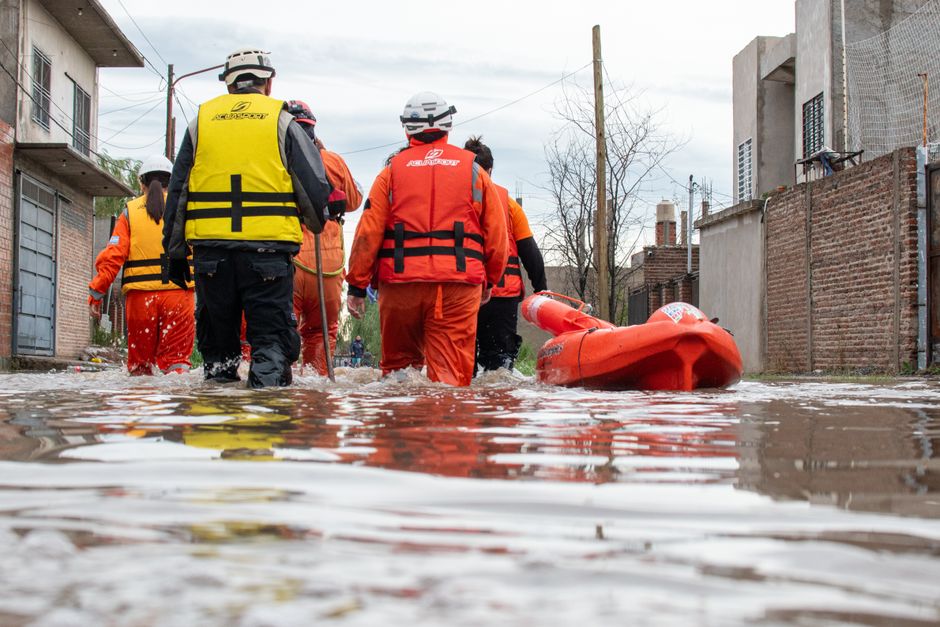
Supporting Communities in Need: How to Prepare for Disaster Relief
===========================================================
When disaster strikes, it's essential to be prepared and have a plan in place. Whether you're affected by wildfires, hurricanes, or other natural disasters, having an emergency fund and a solid financial foundation can make all the difference.
The Importance of Emergency Funds
Having an emergency fund is crucial for unexpected expenses, such as those incurred during disaster relief efforts. According to TogetherBudget, having three to six months' worth of living expenses saved in an easily accessible savings account can provide peace of mind and financial security.
Here are some reasons why emergency funds are vital:
- Financial stability: An emergency fund helps you maintain a stable financial situation, even when unexpected expenses arise.
- Reduced stress: Knowing that you have a safety net in place can reduce anxiety and stress related to financial uncertainty.
- Improved decision-making: With an emergency fund, you'll be better equipped to make informed decisions about how to allocate your resources.
The Role of Medical Inventory in Disaster Relief
In addition to emergency funds, medical inventory plays a critical role in disaster relief efforts. Organizations like Direct Relief work tirelessly to provide essential medical supplies and equipment to affected communities.
Here are some ways medical inventory can impact disaster relief:
- Access to healthcare: Essential medical supplies can help ensure that those affected by disasters have access to necessary medical care.
- Reducing suffering: Medical inventory can help alleviate suffering and prevent further complications related to injuries or illnesses sustained during a disaster.
- Supporting first responders: Medical inventory can also support first responders who work tirelessly to save lives and provide aid in the aftermath of a disaster.
Tips for Building an Emergency Fund
While it may seem daunting, building an emergency fund is achievable with a solid plan. Here are some tips to get you started:
- Start small: Begin by setting aside a manageable amount each month, such as $50 or $100.
- Automate transfers: Set up automatic transfers from your checking account to your savings or emergency fund.
- Review and adjust: Regularly review your budget and adjust your contributions as needed.
Take Control of Your Finances with TogetherBudget
TogetherBudget is a powerful tool that helps people achieve their personal finance goals through smart budgeting, expense tracking, and financial planning. With its user-friendly interface and comprehensive features, TogetherBudget can help you create a personalized budget, track your expenses, and make informed decisions about your finances.
By combining the benefits of an emergency fund with the support of TogetherBudget, you'll be well-prepared to face any financial challenges that come your way.
By Malik Abualzait
Comments
Post a Comment