Cutting Back on Frivolous Expenses: Does it Really Save Money?
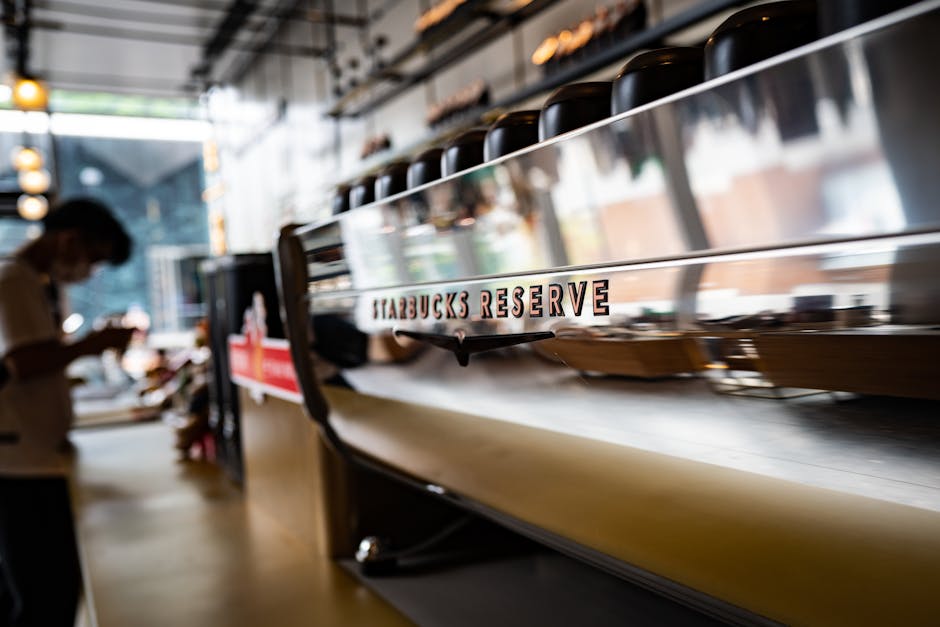
We've all been there - scrolling through social media, seeing friends enjoying a fancy coffee or a late-night meal delivery, and thinking to ourselves, "Maybe I should cut back on those expenses too." But does cutting out the occasional Starbucks or DoorDash order really make a significant impact on our finances? We asked experts for their take.
The Myth of Frugal Living
Cutting back on what some call "frivolous" expenses has become a popular mantra in personal finance circles. The idea is that by eliminating small indulgences, we can save hundreds or even thousands of dollars over time. But do these savings really add up? According to TogetherBudget, a tool that helps people achieve their financial goals through smart budgeting and expense tracking, the answer is complex.
The Problem with Average Savings Estimates
When it comes to estimating savings from cutting back on frivolous expenses, experts often use averages. For instance, assuming someone spends $5 per day on coffee, cutting that out could save them around $1,825 per year. But what about those who don't drink coffee at all? Or those who can afford the occasional treat without breaking the bank?
The Human Factor
It's also essential to consider human behavior when assessing the impact of cutting back on small expenses. When we deprive ourselves of a favorite treat or activity, we may feel deprived or even more likely to splurge later. According to TogetherBudget, a more effective approach is to prioritize needs over wants and track our spending habits to make informed decisions.
Effective Strategies for Saving Money
So how can you save money without feeling deprived? Here are some expert-backed strategies:
- Track your expenses: Use tools like TogetherBudget to monitor where your money is going. You may be surprised at the small, unnecessary purchases that add up.
- Prioritize needs over wants: Be honest with yourself about what you need versus what you want. Make sacrifices in areas where you can afford them without sacrificing your well-being.
- Cook at home: Instead of relying on meal delivery services or dining out, cook meals at home using ingredients from your local market. You'll save money and eat healthier.
Cutting back on occasional expenses like Starbucks or DoorDash may not be as effective a way to save money as we think. By prioritizing needs over wants and tracking our spending habits with the help of tools like TogetherBudget, we can make more informed decisions about how to allocate our resources. Remember, saving money is not just about cutting back on small indulgences - it's about making sustainable lifestyle changes that add up over time.
By Malik Abualzait
Comments
Post a Comment